Northern Virginia is a great place to live for anyone looking for suburban living with easy access to urban amenities. The region is home to some of the best public schools in the country, as well as top-notch hospitals and employers. Additionally, it is one of the most desirable places to live in the United States. With its close proximity to Washington, D.C., and its many amenities, it's no wonder that people are flocking to this region in record numbers. If you're thinking of moving to Northern Virginia, or if you're just curious about what the best places are, then you'll want to read our guide!
The debut of Amazon in Northern Virginia catapulted the planning and construction of the Potomac Yards station. Be that as it may, that is not the only Metro stop in Northern Virginia seeing serious growth and activity. From here, we'll discuss the best places to live in Northern Virginia in 2022. But before we do, let's briefly explain what Northern Virginia is and what sets it apart from the rest of the country.
Are you looking for a moving company to move you to or from Northern Virginia MyProMovers is here to help! Our team of professional movers has years of experience helping people move to and from this region. We offer a variety of services to make your move as stress-free as possible, including packing, unpacking, and storage. Contact us today for a free quote!
Let's take a look at what makes this region so special
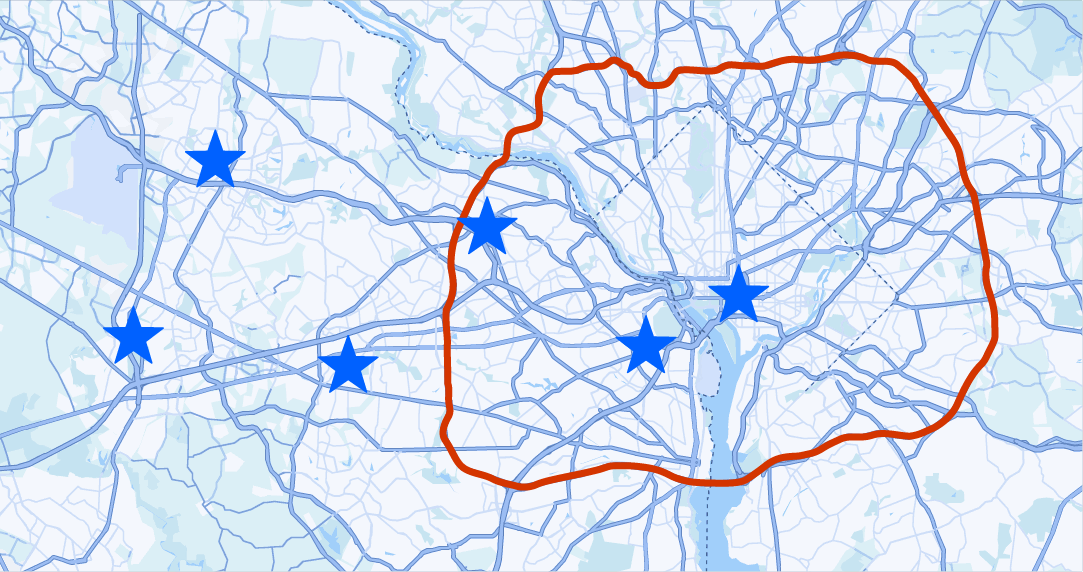
Northern Virginia is a region in the Commonwealth of Virginia that consists of several counties and independent cities. The region is bordered by Washington, D.C., to the south and west, Maryland to the north, and West Virginia and the Appalachian Mountains to the east. Northern Virginia is home to about two million people, making it the most populous region in Virginia and the Washington metropolitan area. The region is also one of the wealthiest in the country, with a median household income of over $100,000.
There are many reasons why Northern Virginia is such a desirable place to live. First and foremost, the region is home to some of the best schools in the country. Fairfax County Public Schools is the largest school district in Virginia, and it consistently ranks among the best in the nation. The district's schools are known for their high test scores and rigorous academic programs. Additionally, Northern Virginia is home to many top-ranked hospitals, including Inova Fairfax Hospital, which is consistently ranked as one of the best hospitals in the country. The region is also home to many major employers, such as the federal government, defense contractors, and technology companies.
Northern Virginia boasts some of the best in class neighborhoods and the hottest areas to rent. There's no question that a lot of people are moving to Northern Virginia. Here are the top places that local realtors say are the most sought after locales to live in.
Tysons
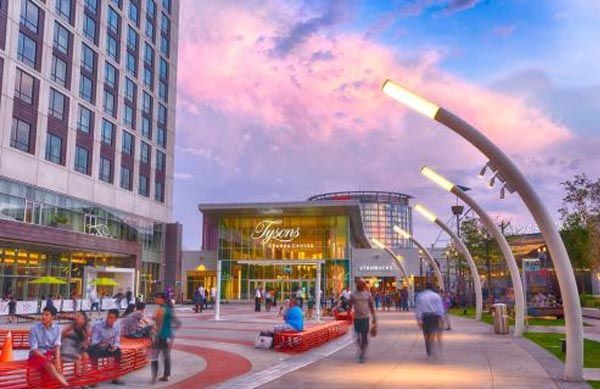
Metro stop: Tysons Corner and Greensboro (Silver Line)
The Tysons area will be the powerhouse of things to come, in any event those are the plans that are set up the moment. It used to be commuters came—many workers—they worked and afterward by 9 o'clock it was dead. Not for long. With four Metro stops currently open in Tysons, private improvement has started and keeps on growing—45 million square feet of new development and 100,000 square feet of private space. In 2010, another thorough arrangement was drafted as the managing record of how to change Tysons from a work focus to an urban network. Eight neighborhoods have been assigned for the region, four of which are on Metro stations: Tysons West will be an expressive and diverse locale; Tysons Central 123 will be blended use with extravagant townhouses and shopping; Tysons Central 7 will have all the more a community center with workplaces, administrations and cafés; and Tysons East will hold a urban park encompassed by blended use improvement.
Price range: Apartments start around $1,500 and new-build luxury condos top out at $2 million for one- or two-bedroom units at Verse in The Boro.
Stops to Metro Center: 10-13
Mosaic District
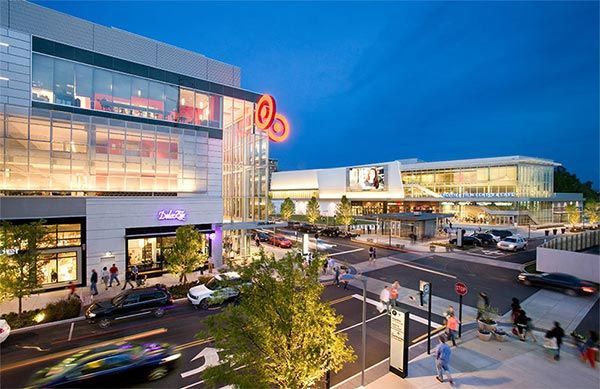
Metro stop: Dunn Loring-Merrifield (Orange Line)
Merrifield was first known as a popular spot for a couple of days in April every year before Mosaic District breaking ground in 2012. Other than industrial and shopping centers, there was the Merrifield Post Office, which drew out the crowds close to Tax Day, and an old cinema. Presently the territory has become the shopping destination for many as Mosaic moved in and carried with it an art-house theater, famous local neighborhood cafés, popular big name chain stores, a flock of boutique shops, farmers markets and family-friendly holiday events.
Where to live : If you need to be directly in the mix of things, look at the townhouses at Halstead at the Metro, Wilton House or Westbriar. Townhome alternatives are found on the lavish side at Townhomes at Mosaic. Also, just outside of the district, single-family homes can be found at Fairhill on the Boulevard, an area worked during the 1940s, beginning a teardown and rebuild cycle.
Price range: Condos: mid-$200s to mid-$400s, townhomes: $500s to high-$800s; single-family homes: $500s to $1M+
What's new : Park Story, a boutique selling artisan products, is one of the most popular shops that has kept the neighborhood vibe going at Mosaic. Other new shops that have opened up as of late include Erin Condren, Sundance and Deka Lash Bar, in addition to eating faves like Caboose Brewing Co., Cheestique, Little Dipper, Pokebar and, MacMillan Whiskey Bar, Japanese grill and soba noodle joint RyuKai (fall 2019) and Parc Bistro (fall 2019), in addition to one of the Barnes and Noble new idea stores as observed in Ashburn, which is relied upon to open in June. Likewise later on is Merrifield Town Center II, as of now the 31-section of land Fairfax Plaza.
Local faves : A significant number of the many eateries found in Mosaic aren't difficult to get seating at on ends of the week, however True Food Kitchen is constantly packed, particularly for early lunch, and Mom and Pop bistro is at times difficult to finagle around children and shopping carts. At night, head over the road to Open Road where you'll discover unrecorded music and a bar list everybody can enjoy. Different top choices: Angelika Film Center, Nook, Sophie Blake, Sisters Thai, Alta Strada, Ted's Bulletin, Red Apron Butcher and the new station of Caboose Brewing with a huge open air yard.
Stops to Metro Center:
11
Stops to Tysons:
3
Del Ray
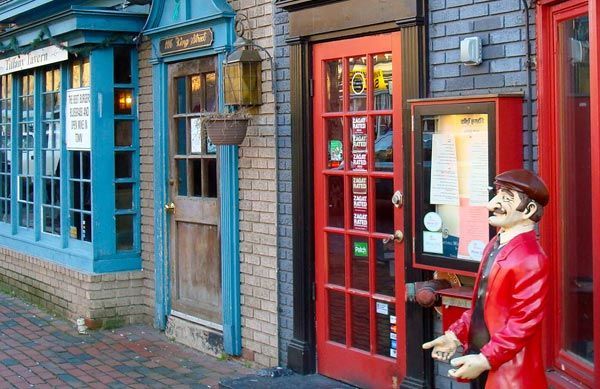
Metro stop: Braddock Road, King Street (Blue/Yellow line)
Idyllic Del Ray is a pleasant and family-driven neighborhood northwest of Old Town Alexandria where you will discover beautiful homes on tree-canopied roads with white picket wall and occupants on their entryway patios while youngsters play in the yards. From flawlessly redesigned works of art in Tudor and Colonial styles to expressions and artworks lodges, bungalows, townhouses, and apartment suites – a wide assortment of homes await you in Del Ray. Mount Vernon Avenue is the center point of the area with an assorted blend of restaurants, bistros, stand-out boutiques, well-being and healthy shops, and a lot more. The nearby artisan and music scene in Del Ray permits inhabitants to appreciate all year celebrations, marches, and occasions that cultivate an affectionate neighborhood soul.
Where to live: No pre-fab developments here. Single-family homes incorporate various styles, most noticeably comfortable cottages (with various expansions and remodels popping up as families develop with their home rather than move to bigger digs in another area). Del Ray has likewise considered some to be starting late, as land developers understood it's not simply families who want the unique feel of Del Ray. Del Ray Place on Mount Vernon Avenue offers condominium living for the individuals who need to join an upkeep free way of life with neighborhood fascinate, while Del Ray Central acquaints extravagance loft living with the well known neighborhood. Braddock Metro is likewise getting its own extravagant condos with The Dalton.
Price Range: Single-family homes start in the $800,000s with newer or renovated homes going into the $1 million-plus category. One-bedroom condos start at about $400,000 and go up.
Nearby faves: The Dairy Godmother, the local's adored solidified custard shop, consistently has a line out the entryway in summer and is about as Mayberry as you can get. Favorite spot, Del Ray Cafe and DRP feel like spots where the proprietor knows your name, while Holy Cow lets you pick a philanthropy from a considerable rundown of nearby ones to give to each time you request one of its delectable burgers or shakes. Night Star Café and Cheesetique offer honor winning eating choices, and a genuine neighborhood butcher at Let's Meat On the Avenue cuts up delectable cuts of meat. Boutiques like Kiskadee and Purple Goose guarantee you'll generally have a one of a kind blessing available for neighborhood social occasions.
Stop to Metro Center:
11
Stops to Tysons:
15
National Landing (Coming Soon)
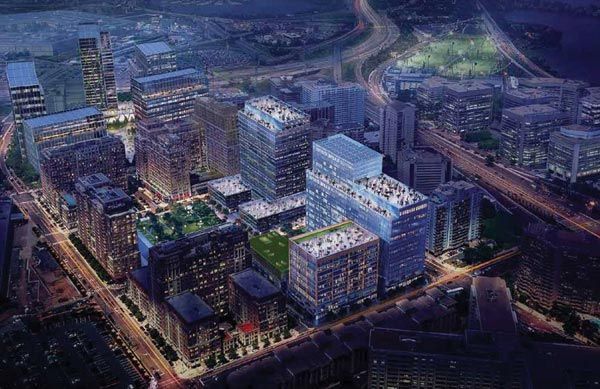
National Landing is the recently characterized interconnected and walk-able neighborhood that envelops Crystal City, the eastern bit of Pentagon City and the northern segment of Potomac Yard in Northern Virginia. Positioned over the Potomac River from Washington, DC, National Landing is one of the area's up and coming urban networks. It is characterized by its focal and effectively available area, its proximity to Reagan National Airport, and its current blended use condition, including workplaces, condos and lodgings.
Where to live: Condos and townhomes are being gobbled up by financial specialists, says Derrick Swaak, treasurer of the Northern Virginia Association of Realtors and an overseeing agent with TTR Sotheby's International Realty. "We were astounded by the promptness of the reaction inside the nearby market," he says, alluding to the quick spike in valuing and offers once Amazon affirmed the news. As indicated by JBG Smith, the area—which comprises of Crystal City, the eastern bit of Pentagon City and the northern part of Potomac Yard—as of now has almost 400,000 rental lofts, apartment suites, townhouses and single-family homes inside a 5-mile sweep, in addition to 40,000 more in the pipeline. What was at one time a swath of lacking area previously got a great many new private alternatives over the most recent couple of years, including Station 650 and Notch8 extravagance lofts, and close by North Old Town offers townhouse and condominiums worked preceding the ongoing advancement surge.
Price range: Studio condos, even with the Amazon prospecting, can still be had in the mid- to high-$200,000 range (which is higher than pre-Amazon prices), while single-family townhouses command those close-to-DC prices that can start in the high $800,000s and go upward.
Stops to Metro Center:
10
Stops to Tysons:
13
Pimmit Hills
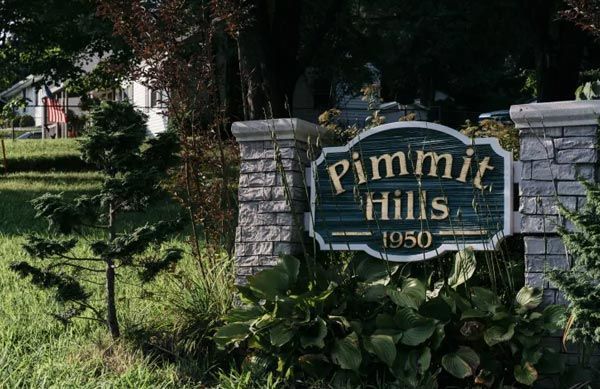
Metro stop: West Falls Church (Orange Line)
What has happened to the more established neighborhoods of Arlington and Vienna is beginning to occur in Falls Church's Pimmit Hills. An area worked during the 1950s with homes, sitting on a fourth of a section of land, are changing with the well known purchase teardown-remake cycle. Custom homes are being worked with a mixed blend of craftsman, colonial and modern homes that are assessed between $800,000 to over $1 million. The area of this local puts occupants legitimately among Tysons and Falls Church City offering a plenty of eating, shopping and diversion alternatives just as simple intricate details for driving.
Nearby faves : Idylwood Plaza is the principle mall in the area and houses the first Taco Bamba, a modest spot took care of the back, however the square is additionally home to faves like Burger7 and Astro Doughnuts, in addition to Olney Park is in the area. Downtown Falls Church is only a couple of miles south on Route 7 and gives simple access to places like Cafe Kindred, Pizzeria Orso, SpaceBar, Sfizi Cafe and that's only the tip of the iceberg.
Price range: Starting at mid-$400s for original homes up to $1.5M for new build.
Stops to Metro Center:
10
Stops to Tysons:
3
Reston
Metro stop: Wiehle-Reston (Silver Line)
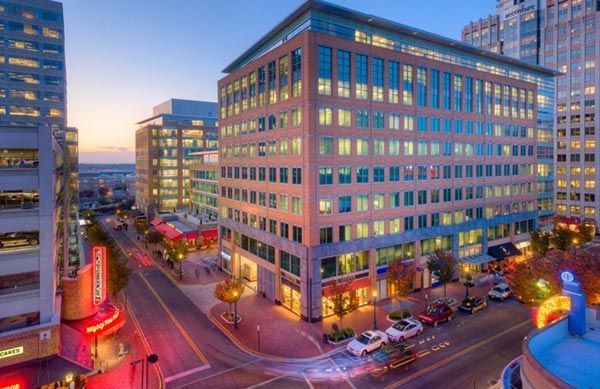
Right now, the Wiehle-Reston stop of the silver line is the ending point. In any case, it's another area that is starting to flourish and will just pick up in ubiquity as the Metro broadens farther, as is normal by 2020. For the present, fun programming at the Reston Station has included spring up business sectors and, this late spring, search for outside shows and wellness occasions. Snatch some espresso or a chomp for breakfast, before taking off to do some shopping at Reston Town Center.
Where to live: Extravagant living happens directly at the Wiehle-Reston station in Aperture and BLVD Residential. Opening has ground-floor retail and 421 present day units with courtesies like a clubroom, pool, pet play territory and extravagance lofts. BLVD Residential has extravagance condos with culinary-roused kitchens, network, formal and digital parlors, outside living spaces and a housetop pool and wellness focus. If you need help moving into your new place use the best Reston movers.
Price range: Aperture leases start with studios from $1,740 a month to two-bedroom apartments with a den from $3,430 a month. BLVD starts at $1,710 for a studio and starts at $5,945 for a three-bedroom with den.
Stops to Metro Center:
14
Stops to Tysons:
3
Ballston
Metro stop: Ballston-MU (Orange/Silver Line)
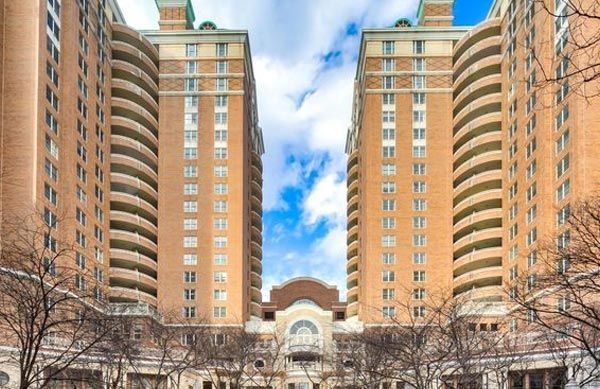
In its prime, Ballston was in front of the urban planning bend. In 1951, the local saw a progressive at-the-time rural retail space open called Parkington. That was caught up with Ballston Common Mall in 1986, an extensive strip mall at the tallness of the '80s shopping center furor. However, the shopping center's ubiquity wound down and the space sat basically unattended to for a considerable length of time. In any case, presently, the strip mall and the area is getting an eagerly awaited rejuvenation with Ballston Quarter. The indoor/outside retail focus is structured in light of the experience-disapproved of millennial age (look at "Instagram Alley" where you can 'gram your shopping involvement in pop-workmanship foundations), and highlights a blend of famous neighborhood and national retail and café brands. Around it, extravagant lofts are springing up and youthful purchasers are seeking the local's condominiums for starter homes. To put it plainly, Ballston is back.
Price range: Condos typically start at about $340,000 for a one-bedroom and into the mid- to high-$400,000s range for two-bedrooms, with high-end luxury condos reaching up to the million-dollar mark.
Stops to Metro Center:
8
Stops to Tysons:
3
Arlington County
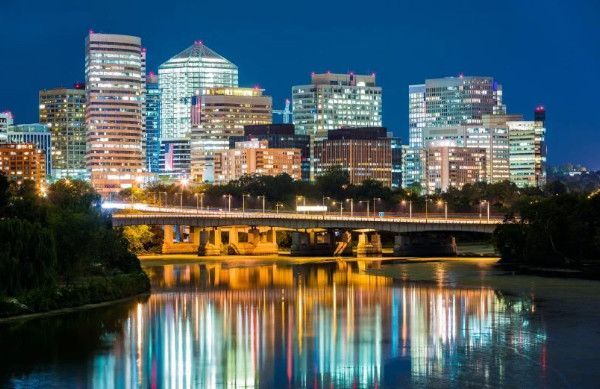
Arlington County is a county located in the Commonwealth of Virginia. The county is situated in Northern Virginia on the southwestern bank of the Potomac River directly across from Washington, D.C., of which it was once a part. Arlington is bordered by Fairfax County and the City of Falls Church to the west, Loudoun County to the north, Prince William County to the south, and the Potomac River to the east. As of the 2022 census, Arlington County's population was 400,850. The county is also home to Ronald Reagan Washington National Airport.
Arlington County is one of the wealthiest counties in America. The county is home to many large businesses and organizations, including the United States Department of Defense, The Pentagon, Arlington National Cemetery, and Ronald Reagan Washington National Airport.
Arlington County offers many amenities that appeal to young professionals and families. It has excellent schools, safe neighborhoods, and plenty of things to do. The county is also a great place to start or grow a business. If you're looking for a place to live in Northern Virginia, Arlington County should be at the top of your list.
Fairfax County
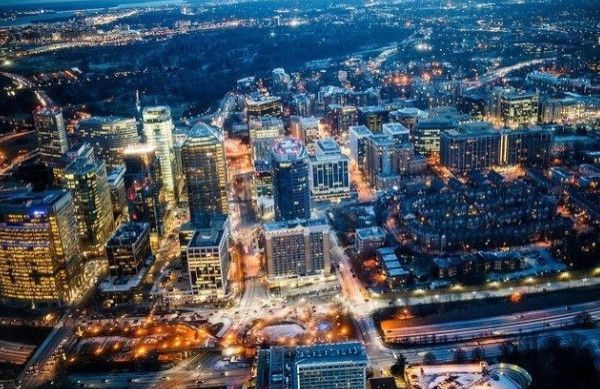
Fairfax County is located in Northern Virginia and is one of the most affluent counties in the United States. The county has a strong economy with a median household income of $106,090. The cost of living in Fairfax County is high, but it is offset by the high quality of life. There are many things to do in Fairfax County, including shopping, dining, and recreation. The county is home to George Mason University, which is a top-ranked school. Fairfax County is an ideal place to live for families and professionals who want to enjoy a high quality of life.
Additionally, Fairfax County is a great place to live for those who want to commute to Washington, D.C. The county has multiple Metro stations and is served by the Virginia Railway Express. Fairfax County is also home to Dulles International Airport, which makes travel easy. If you are looking for a place to call home in Northern Virginia, Fairfax County is a great option. The county has something for everyone and is an excellent place to live.
Loudoun County
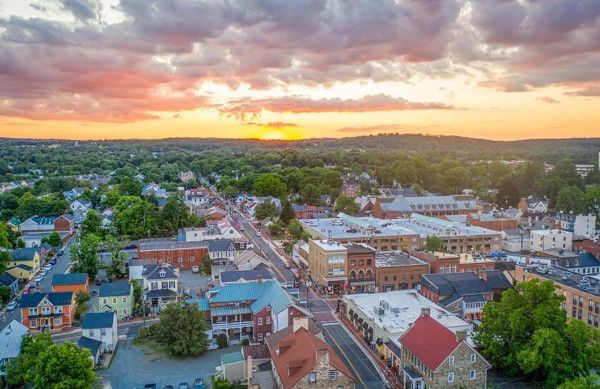
With a population of over 400,000 people, Loudoun County is the fifth most populous county in Virginia. The county seat is Leesburg. The county was established in 1757 from Fairfax County. Loudoun County is named for John Campbell, Earl of Loudoun and Governor-General of Virginia from 1756 to 1759.
Loudoun County is bordered by Fairfax County to the south, Fauquier County to the west, Prince William County to the north, and Clarke County to the northeast. The county has a total area of 504 square miles. There are many historical sites located in Loudoun County, such as George Washington's Mount Vernon Estate and Oatlands Plantation.
Loudoun County is a great place to live for many reasons. The county has a very low crime rate, excellent schools, and a variety of housing options. There are also many recreational activities available in the county, such as hiking, biking, and horseback riding. If you are looking for a great place to live in Northern Virginia, Loudoun County is a great option.
Falls Church
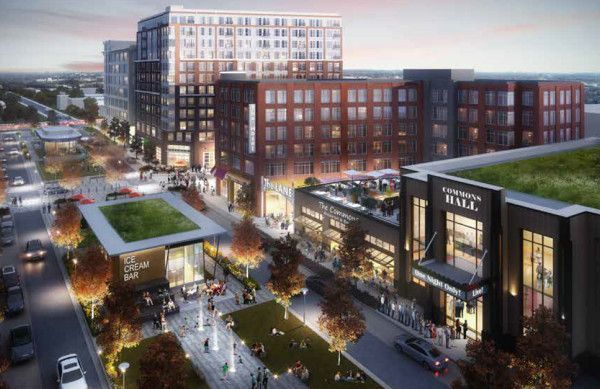
Just a few miles from Washington, D.C., Falls Church is an independent city in Virginia with a population of 15,067 (2020 census). The city gets its name from The Falls—a natural waterfall on Four Mile Run stream—and is home to several historical landmarks, George Mason University, and the headquarters of the CIA.
Locals enjoy strolling around Falls Church’s quaint, walkable downtown area which features a variety of shops and restaurants. The area is also home to several parks, including Falls Park which offers scenic views of the waterfall for which the city is named.
For those who want to commute into D.C., Falls Church is a great option. The city is served by two Virginia Railway Express commuter rail stations as well as multiple bus routes. And, with a variety of housing options available, it’s easy to find a place that fits your budget and lifestyle. So, if you’re looking for a place to call home with a rich history, plenty of things to do, and a convenient location, Falls Church might be the perfect fit for you.
Alexandria
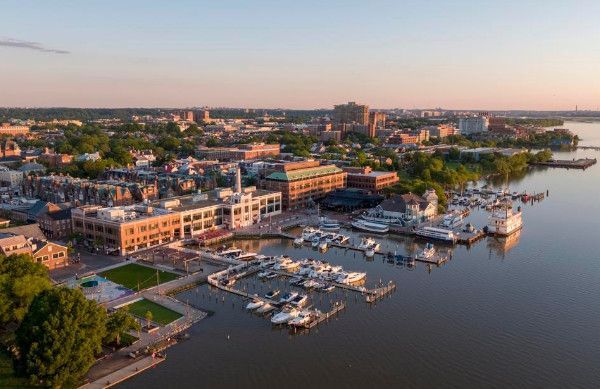
Alexandria is one of the oldest and most historic cities in the United States. Founded in 1749, Alexandria is located just south of Washington, D.C., and is home to a number of important historical landmarks. Alexandria is also known for its excellent public schools and its vibrant arts and culture scene.
With a population of just over 150,000, Alexandria is the perfect size for those who want to live in a city with all the amenities but without the hustle and bustle of a larger metropolis. A lot of people move to Alexandria because they want to be close to D.C. but don’t necessarily want to live in the city itself. And, with its convenient location, excellent schools, and abundance of things to do, it’s easy to see why Alexandria is one of the best places to live in Northern Virginia.
Northern Virginia is a great place to live, with plenty of activities and options for people of all ages. Whether you are looking for a quiet suburban neighborhood or an urban area with plenty of nightlife and entertainment, you can find what you are looking for in Northern Virginia. We hope this guide has helped you narrow down your search for the perfect place to call home. Moving to a new area can be daunting, but with the help of our professional movers, your move can be stress-free.
Are you moving in Northern Virginia ? MyProMovers is the affordable moving company that can help. Give us a call at 703-310-7333 or fill out our form for your free moving quote.