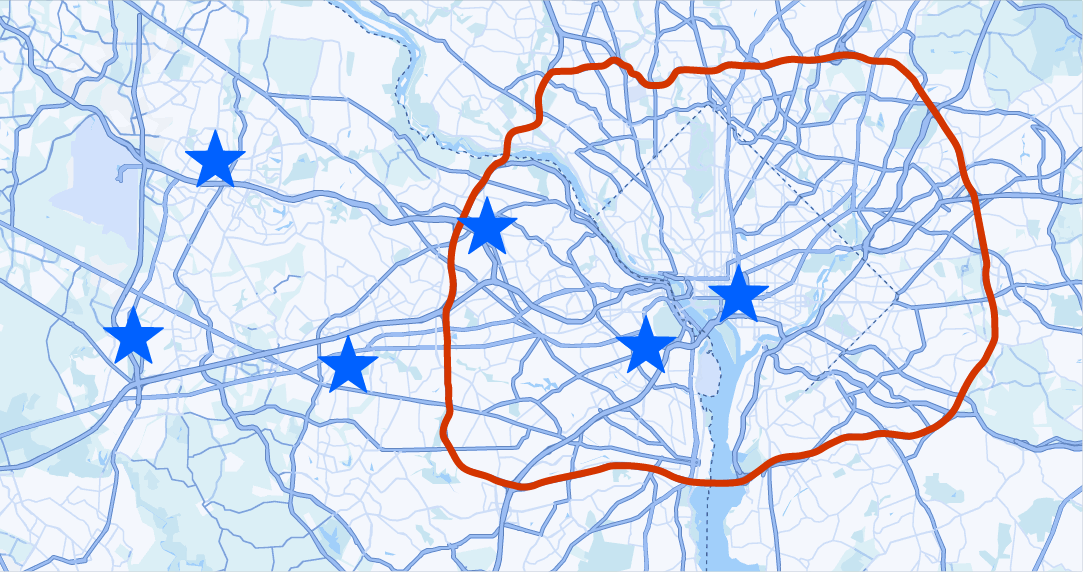
Up-and-Coming Areas in Northern Virginia: Your Complete Guide to Emerging Neighborhoods
Timing your move to catch a neighborhood's upward trajectory can be one of the smartest relocation decisions you'll make, and planning a move to America's capital region involves balancing current needs with future potential in one of the nation's most dynamic metropolitan markets. If you're researching up and coming neighborhoods Northern Virginia offers, you're exploring one of the country's most strategic growth regions, where federal employment expansion, technology sector development, and infrastructure investment are creating exceptional opportunities for both lifestyle enhancement and property value appreciation.
Northern Virginia's continued expansion beyond its established luxury enclaves has created several emerging neighborhoods in Northern Virginia that combine accessibility with growth potential, modern amenities with investment opportunity, and suburban quality with metropolitan career access. This comprehensive guide explores the Northern Virginia neighborhoods on the rise that represent the region's future while providing today's residents with excellent quality of life and unprecedented access to federal employment and technology sector opportunities.
As relocation experts who track Washington DC area development trends, My Pro Movers DC has witnessed how moving to up-and-coming areas Northern Virginia can position families and professionals for both immediate career advantages and long-term value appreciation in America's most economically dynamic region.
Understanding Northern Virginia's Growth Patterns
Best up-and-coming neighborhoods Northern Virginia develops follow predictable patterns driven by federal employment expansion, technology sector growth, and strategic regional planning that creates opportunities for early adopters to benefit from emerging community development and economic momentum.
Federal and Economic Growth Drivers
Amazon HQ2 Impact and Technology Expansion The establishment of Amazon's second headquarters in Arlington has catalyzed development throughout Northern Virginia, creating ripple effects that drive growth in surrounding areas as technology companies, federal contractors, and supporting businesses establish regional presence. This economic anchor creates sustained demand for housing and commercial development that supports emerging neighborhood growth.
Federal Employment Growth Continued expansion of federal agencies, defense contractors, and government services creates consistent demand for housing throughout Northern Virginia's growth corridors. Federal employment stability provides economic foundation that supports sustained community development and property value appreciation in emerging areas.
Infrastructure Investment Indicators
Transportation Infrastructure Development Metro Silver Line extensions, VRE (Virginia Railway Express) expansion, and highway improvements create accessibility that transforms previously remote areas into attractive residential communities. Transportation infrastructure investment often precedes residential development by 2-3 years, providing early indicators of areas positioned for growth.
Utility and Technology Infrastructure Data center development, fiber optic expansion, and utility capacity improvements signal regional confidence in long-term growth while providing the infrastructure foundation necessary for sustained residential and commercial development.
Regional Development Strategy
Smart Growth Planning Northern Virginia jurisdictions coordinate development planning to manage growth while preserving quality of life, creating predictable development patterns that benefit early residents through planned amenities and infrastructure investment.
Economic Diversification The region's evolution beyond federal employment to include technology, international business, and innovation sectors creates multiple economic drivers that support sustained growth and reduce dependence on single employment sources.
Loudoun County East: Technology Corridor Expansion
Eastern Loudoun County represents one of the most promising up-and-coming areas Northern Virginia offers, where data center development, Dulles corridor expansion, and Metro Silver Line access are transforming suburban communities into technology and federal employment hubs.
Data Center Economic Engine
Technology Infrastructure Development The world's largest concentration of data centers continues expanding throughout eastern Loudoun County, creating thousands of high-paying technology jobs and driving demand for housing, commercial services, and community amenities. This economic foundation provides sustained growth momentum independent of federal employment cycles.
Current Property Values and Growth Potential Properties currently range from $525,000 to $750,000 for homes and $1,900 to $2,800 for rentals, offering significant value compared to established Northern Virginia luxury areas while providing access to the same employment opportunities and regional amenities.
Transportation and Accessibility Advantages
Metro Silver Line Extension Benefits The Silver Line extension to Dulles Airport and beyond provides direct rail access to Washington DC, making eastern Loudoun County attractive to federal employees and technology workers seeking suburban living with urban convenience.
Dulles International Airport Proximity Convenient airport access appeals to technology professionals, federal contractors, and international business employees who require frequent business travel while maintaining family-friendly residential environments.
Community Development and Amenities
Master-Planned Community Growth New residential developments feature comprehensive amenities including recreational facilities, community centers, and trail systems that create resort-style living environments from the beginning of community development.
Commercial Development Integration Mixed-use development projects combine residential, retail, and office components that create convenient living environments where residents can work, shop, and access services within their immediate communities.
Prince William County North: Strategic Growth Position
Northern Prince William County exemplifies Northern Virginia growth neighborhoods where strategic location, transportation access, and economic development are creating exceptional opportunities for families and professionals seeking value with growth potential.
Amazon HQ2 Proximity Benefits
Economic Spillover Effects Proximity to Amazon's Arlington headquarters creates demand for supporting businesses, housing, and services throughout northern Prince William County while maintaining more accessible pricing than closer-in locations.
Professional Community Development The area attracts technology professionals, federal employees, and business service providers who seek affordable housing with reasonable commuting access to major employment centers throughout Northern Virginia and Washington DC.
Transportation Infrastructure Advantages
VRE Expansion and Regional Access Virginia Railway Express service provides direct rail connections to Washington DC, with planned expansion and service improvements that will reduce commuting time and increase convenience for residents working in federal and downtown employment centers.
Highway Connectivity Strategic location near I-95, Route 1, and regional highway systems provides multiple commuting options and convenient access to employment centers, shopping, and recreational facilities throughout the metropolitan area.
Housing Value and Investment Potential
Accessible Pricing with Appreciation Potential Current property values ranging from $450,000 to $625,000 for homes and $1,700 to $2,400 for rentals provide excellent entry points into Northern Virginia living with strong potential for appreciation as infrastructure and economic development continue.
Diverse Housing Options New construction includes apartments, townhomes, and single-family homes that accommodate various demographics and family sizes while maintaining community cohesion and shared amenities.
Pro Tip: During a transition to this growing area, many residents find it helpful to secure Storage Units in Manassas VA to manage their move at their own pace without cluttering their new home.
Those interested in emerging areas that also provide excellent family amenities and school access should explore our comprehensive Best Family Neighborhoods in Northern Virginia guide, which analyzes how up-and-coming communities accommodate family priorities alongside growth potential and investment opportunities.
Fairfax County Southwest: Established Infrastructure Growth
Southwestern Fairfax County represents developing areas Northern Virginia where existing infrastructure, government proximity, and planned development create opportunities for growth within established community frameworks and municipal services.
Government Sector Expansion
Federal Employment Growth Continued expansion of federal agencies and government contractors in the area creates sustained demand for housing while providing employment stability that supports community investment and long-term property value growth.
Defense and Security Sector Development The concentration of defense contractors and security companies creates high-paying employment opportunities that attract professional families and support premium community development and amenities.
Infrastructure Advantages
Established Municipal Services Unlike newer growth areas, southwestern Fairfax County offers established schools, libraries, recreational facilities, and municipal services that provide immediate quality of life benefits for new residents.
Transportation Network Maturity Existing transportation infrastructure provides multiple commuting options and regional connectivity while planned improvements will enhance accessibility and reduce travel times to employment centers.
Community Character and Development
Balanced Growth Management Fairfax County's comprehensive planning approach ensures that new development integrates with existing communities while maintaining environmental standards and community character that preserves quality of life.
Educational Excellence Access to Fairfax County Public Schools, consistently ranked among America's best, provides additional value for families while supporting long-term community stability and property values.
Arlington South: Urban Renewal and Transit Development
The Columbia Pike corridor in southern Arlington exemplifies gentrifying areas in Northern Virginia where transit-oriented development, urban renewal, and mixed-use planning are transforming established communities into modern urban environments.
Transit-Oriented Development
Mixed-Use Community Planning Comprehensive redevelopment plans combine residential, retail, office, and recreational components that create walkable communities where residents can access employment, shopping, and services without vehicle dependency.
Transportation Integration Planned transit improvements and existing bus rapid transit provide convenient access to Metro Rail connections and regional employment centers while supporting pedestrian-friendly community design.
Urban Renewal Benefits
Infrastructure Modernization Systematic infrastructure improvements including utilities, streetscapes, and technology integration provide modern community amenities while maintaining the character and affordability that make the area attractive to diverse residents.
Cultural Diversity and Community Character The area's authentic cultural diversity and community character attract residents seeking genuine urban experiences while benefiting from proximity to Washington DC and Northern Virginia employment opportunities.
Investment and Appreciation Potential
Current Value and Future Growth Properties ranging from $650,000 to $950,000 for homes and $2,100 to $3,200 for rentals offer access to Arlington living at moderate premium while providing appreciation potential as redevelopment projects reach completion.
Policy Support for Development Arlington County's commitment to transit-oriented development and affordable housing ensures continued investment and policy support that protects growth momentum and community improvement initiatives.
Alexandria West End: Historic Character with Modern Growth
Alexandria's West End demonstrates how emerging neighborhoods Northern Virginia can balance historic preservation with contemporary development, creating communities that offer both authentic character and modern amenities.
Historic Preservation and Modern Development
Balanced Growth Approach Development projects respect historic character while incorporating modern amenities, creating communities that offer both authentic Washington area heritage and contemporary living convenience.
Architectural Integration New construction and renovation projects maintain visual coherence with historic neighborhoods while providing modern systems, energy efficiency, and contemporary floor plans that appeal to today's residents.
Metro Proximity and Connectivity
Transportation Advantages Proximity to Metro Rail stations provides convenient access to Washington DC and regional employment while maintaining residential character and community atmosphere that distinguish Alexandria from urban high-density areas.
Regional Accessibility Strategic location provides access to federal employment, Reagan National Airport, and cultural attractions while maintaining suburban character and community amenities.
Community Investment and Services
Municipal Service Excellence Alexandria's commitment to community services, cultural programming, and infrastructure maintenance creates environments that support both current quality of life and continued property value appreciation.
Cultural and Educational Resources Access to historic sites, cultural facilities, and educational resources creates community character and lifestyle amenities that enhance residential appeal and support long-term community stability.
For young professionals interested in emerging areas that provide career networking alongside community development, our detailed Young Professional Areas in Northern Virginia guide provides analysis of how up-and-coming communities support professional advancement and career development within America's capital region.
Development Indicators and Investment Signals
Understanding the signals that indicate emerging neighborhoods in Northern Virginia helps potential residents and investors identify areas positioned for growth and value appreciation in America's most economically dynamic region.
Infrastructure Investment Indicators
Metro/VRE Extension
- Impact Level: Very High
- Timeline: 3-7 years
- Investment Implication: Major appreciation potential
Data Center Development
- Impact Level: High
- Timeline: 1-3 years
- Investment Implication: Technology job growth
Federal Facility Expansion
- Impact Level: High
- Timeline: 2-5 years
- Investment Implication: Employment stability
Highway/Road Improvements
- Impact Level: Medium-High
- Timeline: 1-3 years
- Investment Implication: Accessibility enhancement
School Construction
- Impact Level: High
- Timeline: 2-4 years
- Investment Implication: Family community development
Economic Development Signals
Federal Contract Awards Major federal contract announcements and defense spending allocations indicate employment growth and economic activity that drives housing demand and community development in specific geographic areas.
Technology Sector Expansion Corporate headquarters announcements, major corporate relocations, and venture capital investment indicate technology sector growth that creates high-paying employment and drives premium housing demand.
Commercial Development Activity Retail, office, and mixed-use development projects indicate commercial confidence in area growth while providing the services and amenities that support residential community development and quality of life enhancement.
Market Performance Indicators
Property Sales Velocity Decreasing days-on-market and increasing sales activity indicate growing demand and market momentum that suggests continued appreciation potential and community desirability growth.
Construction Permit Activity Residential building permits, commercial development applications, and infrastructure improvement contracts provide early indicators of development momentum and investor confidence in area growth potential.
Zoning and Planning Updates Municipal zoning changes that allow increased density, mixed-use development, or commercial expansion indicate official recognition of growth potential and policy support for continued development.
Growth Timeline and Investment Strategy
Moving to up-and-coming areas Northern Virginia requires understanding development timelines and market cycles to align relocation decisions with community growth phases and personal investment objectives.
Short-Term Development (2025-2027)
Infrastructure Project Completion Transportation improvements, utility upgrades, and technology infrastructure currently under construction will enhance community accessibility and property values within the immediate timeframe.
Commercial Development Opening Retail, dining, and service businesses currently under development will provide increased convenience and community amenities that support residential growth and quality of life improvement.
Employment Center Maturation Amazon HQ2 expansion, federal facility development, and technology company relocations will create established employment bases that drive sustained housing demand and community investment.
Medium-Term Growth (2027-2030)
Community Development Maturation Master-planned communities and mixed-use developments will reach full development with comprehensive amenities, established community character, and mature service environments.
Transportation Network Enhancement Regional transportation projects and connectivity improvements will reduce commuting time and enhance accessibility while supporting continued residential growth and commercial development.
Economic Base Diversification Business development and employment growth will create diverse local economic foundations that support sustained community growth while reducing dependence on single employment sectors.
Long-Term Vision (2030+)
Regional Integration Achievement Full integration with established Northern Virginia communities will position emerging areas as mature suburban communities with comprehensive amenities, services, and regional connectivity.
Community Character Development Developing areas will achieve established community identity with mature amenities, cultural programming, and neighborhood character that supports long-term resident satisfaction and continued property value growth.
Infrastructure System Completion All planned transportation, utility, and public facility infrastructure will be operational, providing comprehensive municipal services and community amenities that define successful metropolitan suburban living.
Risk Assessment and Market Considerations
Choosing among Northern Virginia's emerging areas requires balancing growth potential with market realities, timing considerations with family needs, and investment objectives with lifestyle preferences in America's most competitive housing market.
Market Risk Factors
Interest Rate Sensitivity Emerging area property values may experience greater volatility during economic cycles compared to established neighborhoods with proven demand patterns and value stability.
Infrastructure Completion Risk Development timelines can extend due to funding, regulatory, or construction challenges, affecting community amenity availability and property value appreciation schedules.
Economic Cycle Dependencies Some emerging areas may depend heavily on specific economic sectors or federal spending patterns that could fluctuate based on political and economic conditions beyond local control.
Investment Strategy Considerations
Timeline Alignment Consider how community development schedules align with your family's needs, career planning, and investment timeline to ensure that growth benefits match your relocation and financial objectives.
Diversification Benefits Evaluate whether emerging area investments complement broader investment strategies and provide appropriate geographic and economic diversification within real estate holdings.
Lifestyle Compatibility Assessment Determine whether you're comfortable with construction activity, limited immediate amenities, and community development processes that characterize emerging neighborhoods during growth phases.
Due Diligence Requirements
Developer and Municipal Research Investigate the financial stability and track record of major developers, municipal commitment to planned improvements, and regulatory environment that affects development completion probability.
Market Condition Analysis Research comparable sales data, appreciation trends, and market conditions that indicate demand sustainability and value growth potential in specific emerging areas.
Infrastructure Timeline Verification Confirm planned infrastructure completion schedules, funding sources, and regulatory approval status to understand realistic timelines for community development and amenity availability.
For comprehensive evaluation of how emerging areas compare with established communities in terms of safety and security, our Safest Neighborhoods in Northern Virginia guide provides detailed analysis of security considerations and community safety planning in developing areas throughout the region.
Making Smart Relocation and Investment Decisions
Successfully relocating to Northern Virginia's up-and-coming areas requires strategic thinking about timing, risk management, and lifestyle alignment while maximizing opportunities for both immediate satisfaction and long-term value creation.
Relocation Timing Strategy
Early Adoption Benefits Moving to emerging areas during early development phases provides access to lower property costs, choice among available properties, and maximum appreciation potential as communities mature and amenities develop.
Infrastructure Coordination Time relocations to coincide with major infrastructure completions such as transportation improvements or commercial development that enhance convenience and community value immediately upon completion.
Career Alignment Coordinate relocation timing with career advancement opportunities, federal employment transitions, or technology sector moves that align with emerging area economic development and professional networking opportunities.
Professional Moving Support
Specialized Moving Services for Emerging Areas At My Pro Movers DC, we understand the unique requirements of relocating to Northern Virginia's developing communities, including access challenges during construction, coordination with new home construction schedules, and navigation of evolving community infrastructure.
Our specialized services include:
- Coordination with construction schedules and new home completion timelines
- Navigation of temporary access routes and construction zone logistics
- Coordination with community management and HOA requirements in new developments
- Flexible scheduling to accommodate infrastructure and utility connection timelines
- Careful handling during moves to communities with ongoing development activity
Community Integration Planning
Early Community Involvement Participate in community planning meetings, neighborhood associations, and local development discussions that provide input into community growth while building relationships with neighbors and local leadership.
Service Establishment Research utility connections, internet service availability, school enrollment procedures, and municipal service access that affect daily living in developing communities with evolving infrastructure.
Long-Term Relationship Building Establish connections with real estate professionals, community developers, and local businesses that provide ongoing insight into area development while supporting community economic growth and networking opportunities.
Conclusion: Northern Virginia's Growth Opportunity
Northern Virginia's up-and-coming areas represent exceptional opportunities for residents and investors seeking to benefit from one of America's most economically dynamic growth regions. The best up-and-coming neighborhoods Northern Virginia offers combine current accessibility with future potential, modern amenities with investment opportunity, and suburban quality with metropolitan career advantages unmatched anywhere in the country.
Emerging neighborhoods Northern Virginia provides range from technology-driven development in eastern Loudoun County to urban renewal opportunities in Arlington and Alexandria, each offering unique advantages for residents seeking growth potential, value appreciation, and participation in America's capital region transformation. These areas demonstrate how strategic federal employment, technology sector expansion, and infrastructure investment create environments where early residents benefit from community development and substantial property value appreciation.
Northern Virginia neighborhoods on the rise prove that timing and location selection can significantly impact both lifestyle satisfaction and financial outcomes in America's most prestigious metropolitan market. By understanding development indicators, growth timelines, and regional economic drivers, potential residents can identify areas positioned for continued improvement while accessing the career opportunities and quality of life that make Northern Virginia living so appealing.
The key to successful relocation to emerging areas lies in balancing growth potential with current needs, understanding development timelines and market dynamics, and choosing communities where you'll benefit from both immediate amenities and long-term appreciation in America's capital region.
For detailed information about specific aspects of Northern Virginia living, explore our comprehensive neighborhood guide, housing market analysis, and cost of living resources that provide the detailed information needed for confident decision-making.
At My Pro Movers DC, we understand that choosing Northern Virginia's emerging neighborhoods represents both an investment in lifestyle enhancement and a strategic decision that positions your family for success in America's most economically dynamic region. Our experienced team has helped numerous families, federal employees, and technology professionals successfully relocate to Northern Virginia's fastest-growing communities, and we appreciate the complexity of balancing growth potential with immediate lifestyle needs while navigating the unique requirements of emerging area relocations.
Whether you're drawn to eastern Loudoun County's technology corridor expansion, northern Prince William County's strategic growth position, or Arlington's urban renewal opportunities, we're prepared to make your transition smooth and successful while accommodating the special considerations that characterize moves to developing communities. Based in Chantilly with comprehensive knowledge of every Northern Virginia emerging area's development timeline and infrastructure requirements, we understand what makes each growth community unique and how to help you become part of the transformation that's defining Northern Virginia's future. From one truck and a dream to 20 trucks and a state-of-the-art facility, we've grown alongside Northern Virginia and understand the unprecedented opportunities and community development that characterize America's capital region growth. Contact My Pro Movers DC today to discuss how we can support your family's journey to Northern Virginia's most promising and opportunity-rich emerging community.