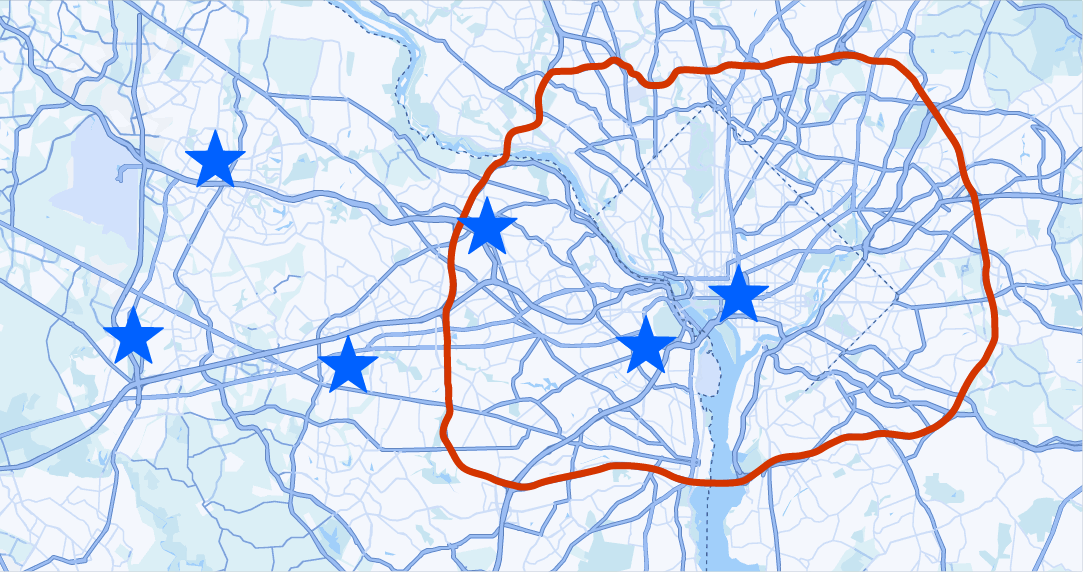
Northern Virginia Suburbs Guide: Your Complete Community Overview for Suburban Living
Finding the perfect suburban community transforms your daily life and sets the foundation for your family's future, and Northern Virginia suburbs represent one of America's most desirable regional markets for combining career opportunities, educational excellence, and community amenities. The suburban landscape throughout Northern Virginia offers diverse neighborhoods where families, professionals, and retirees discover communities that provide small-town atmosphere with metropolitan access to Washington DC's employment and cultural opportunities.
Suburban living in Northern Virginia creates unique advantages by blending government employment stability, international cultural diversity, and comprehensive community amenities with access to world-class schools and recreational facilities. This comprehensive guide explores Northern Virginia's suburban communities, analyzing housing markets, lifestyle benefits, and community features that make the region attractive for families seeking quality suburban living.
As relocation specialists serving the DMV area, My Pro Movers DC understands that suburban community selection significantly impacts long-term satisfaction with your move. The communities featured throughout this guide demonstrate why moving to Northern Virginia suburbs continues attracting families and professionals from across the nation.
Understanding Northern Virginia's Suburban Market
Moving to Northern Virginia suburbs provides access to some of America's most stable and diverse suburban communities, where government employment, technology growth, and international culture create unique residential advantages.
Market Characteristics
Economic Stability: Northern Virginia's economy centers on federal government employment, defense contracting, and technology companies, creating consistent demand for suburban housing with median home values ranging from $485,000 in emerging communities to $875,000 in established neighborhoods.
Educational Excellence: The region hosts multiple school districts ranking among Virginia's top 10, including Loudoun County (#2 statewide), Fairfax County (#4 statewide), and Arlington County (#6 statewide), driving strong suburban demand from families prioritizing educational quality.
Cultural Diversity: International government presence creates communities where 35-40% of residents are foreign-born, bringing global perspectives and cultural amenities that distinguish Northern Virginia suburbs from typical American suburban markets.
Regional Access: Strategic location within 20-45 minutes of Washington DC provides suburban residents access to world-class museums, dining, and cultural events while enjoying lower crime rates and better value than urban alternatives.
Growth Patterns
Western Expansion: Loudoun and Prince William Counties experience the fastest suburban growth, with new master-planned communities adding 2,000-3,000 homes annually while maintaining strict development standards and preserving green space.
Infrastructure Investment: Virginia's ongoing investment in transportation infrastructure, including Metro Rail expansion and highway improvements, supports suburban growth while maintaining reasonable commute times to major employment centers.
Loudoun County Suburban Communities
Loudoun County represents Northern Virginia's premier suburban growth area, where master-planned communities combine excellent schools, modern amenities, and strategic regional access for families and professionals.
Ashburn and Broadlands
Premier Master-Planned Living: Ashburn's multiple communities include Broadlands, Brambleton, and One Loudoun, featuring resort-style amenities with swimming complexes, fitness centers, and organized community programming that creates neighborhood connections.
Housing Market: New construction homes range from $625,000 to $1.2 million, with established resale properties typically priced $575,000 to $950,000 for 2,800-4,200 square feet on lots averaging 0.25-0.4 acres.
Educational Quality: Students attend Loudoun County Public Schools, consistently ranked #1-2 in Virginia, with local elementary schools like Belmont Ridge and Legacy scoring 9-10/10 on GreatSchools ratings.
Technology Employment: Proximity to Dulles Technology Corridor provides access to major employers including Amazon Web Services, Microsoft, and Verizon, making Ashburn attractive for technology professionals seeking suburban lifestyle.
Leesburg Historic Suburbs
Small-Town Character: Historic Leesburg combines downtown charm with modern suburban developments, offering Victorian homes in the historic district ($525,000-$825,000) alongside new construction in communities like Lansdowne and Compass Creek.
Recreational Amenities: Access to Leesburg Animal Park, multiple golf courses including Lansdowne Resort, and proximity to Virginia wine country provides diverse recreational opportunities for suburban families.
Commuter Access: Virginia Railway Express and multiple bus routes provide public transportation options, while Route 7 and the Dulles Greenway offer direct highway access to major employment centers.
Sterling and Herndon Growth Areas
Diverse Housing Options: These communities provide variety from townhomes starting at $465,000 to single-family homes reaching $725,000, accommodating different family sizes and budget requirements while maintaining quality school access.
International Character: Strong Korean, Indian, and Latin American communities create authentic cultural dining and shopping experiences, with festivals and community events celebrating diverse traditions.
Value Positioning: Properties typically cost 15-20% less than comparable homes in Ashburn while providing access to the same excellent school system and regional employment opportunities.
For families prioritizing educational excellence and community amenities, our comprehensive Best Family Neighborhoods in Northern Virginia guide provides detailed analysis of school ratings, youth programs, and family-oriented community features throughout the region.
Fairfax County Family Neighborhoods
Fairfax County's established suburban communities provide mature neighborhoods with diverse housing options, excellent schools, and comprehensive recreational facilities serving families and professionals.
Burke and Springfield Communities
Established Neighborhoods: These communities feature homes built primarily 1970-2000, with properties ranging from $525,000 to $785,000 for 2,200-3,800 square feet on lots averaging 0.3-0.6 acres with mature landscaping.
Recreation Excellence: Burke Lake Park offers 218 acres with fishing, boating, and trails, while Lake Accotink Park provides additional outdoor recreation, creating backyard-like amenities without maintenance responsibilities.
School Access: Students attend Fairfax County Public Schools, with local schools like Burke Elementary (8/10), Kings Park Elementary (9/10), and West Springfield High School (8/10) maintaining strong academic reputations.
Centreville and Chantilly
Growing Communities: These areas balance established neighborhoods with new development, offering homes from $485,000 to $695,000 with both resale properties featuring character and new construction providing modern amenities.
Employment Access: Strategic location provides 25-30 minute commutes to Tysons Corner, Reston, and Dulles Airport employment centers, while maintaining small-town community atmosphere.
Cultural Amenities: Home to multiple community centers, including the Centreville Regional Library and Chantilly Regional Library, plus numerous youth sports leagues and community organizations.
Great Falls and McLean Premium Suburbs
Luxury Suburban Living: These communities represent Northern Virginia's most exclusive suburbs, with homes typically ranging from $875,000 to $2.5 million on lots often exceeding one acre with preservation of natural settings.
Educational Excellence: Students attend some of Virginia's highest-rated schools, including Great Falls Elementary (10/10), Longfellow Middle School (9/10), and Langley High School (10/10).
Natural Integration: Communities emphasize preservation of trees and natural features, with many properties backing to parkland or featuring significant wooded areas and stream valleys.
Prince William County Growing Suburbs
Prince William County offers Northern Virginia's most affordable suburban options while maintaining access to excellent schools, community amenities, and reasonable commutes to major employment centers.
Manassas and Manassas Park
Historic Character: These communities combine Civil War history with modern suburban development, offering everything from restored Victorian homes ($425,000-$625,000) to new construction neighborhoods ($485,000-$675,000).
Transportation Hub: Virginia Railway Express provides direct rail service to Washington DC, while Interstate 66 offers highway access throughout Northern Virginia, making these communities popular with government employees.
Family Programming: Manassas Museum, Splash Down Water Park, and multiple community centers provide year-round family activities, while historic sites offer educational opportunities.
Woodbridge and Lake Ridge
Diverse Communities: These areas provide variety from townhomes starting around $385,000 to single-family homes reaching $625,000, accommodating first-time buyers and growing families seeking quality suburban living.
Water Recreation: Proximity to Potomac River and multiple community pools and parks provide recreational opportunities, with Leesylvania State Park offering 500 acres of waterfront recreation.
Value Proposition: Homes typically cost 20-25% less than comparable properties in Fairfax and Loudoun Counties while maintaining access to quality schools and community amenities.
Gainesville and Haymarket
New Development: These rapidly growing communities feature master-planned developments like Heritage Hunt and Dominion Valley, with homes ranging from $525,000 to $795,000 in resort-style communities.
Golf Community Living: Multiple developments center around golf courses, including Robert Trent Jones Golf Club, providing recreation and social opportunities for residents who value active lifestyle.
Future Growth: Continued development following sustainable practices ensures these communities will maintain property values while accommodating new residents seeking suburban excellence.
For professionals evaluating suburban communities based on commute patterns and career networking, our detailed Young Professional Areas in Northern Virginia guide analyzes transportation access, professional organizations, and community amenities supporting career development.
Arlington's Suburban Enclaves
Arlington County combines urban convenience with suburban neighborhoods, creating unique communities where families enjoy metropolitan access while maintaining residential character.
North Arlington Communities
Established Character: Neighborhoods like Yorktown, Williamsburg, and Cherrydale feature homes from the 1940s-1960s, typically priced $725,000 to $1.3 million for 1,800-3,200 square feet with walking access to local shopping and dining.
School Excellence: Arlington Public Schools consistently rank among Virginia's top 5 districts, with schools like Nottingham Elementary (9/10), Kenmore Middle School (8/10), and Yorktown High School (9/10).
Metro Access: Orange and Silver Line stations provide direct rail access to downtown DC in 15-20 minutes, making these communities popular with federal employees and professionals working in the capital.
South Arlington Neighborhoods
Diverse Housing: Areas like Aurora Highlands, Glen Carlyn, and Shirlington offer a mix of single-family homes ($635,000-$985,000), townhomes ($525,000-$775,000), and condominiums ($375,000-$625,000).
Community Centers: Arlington provides comprehensive recreational programming through community centers, with facilities offering everything from preschool programs to senior activities and fitness classes.
Walkable Lifestyle: Many neighborhoods provide walking access to Metro Rail, shopping, and dining, creating a car-optional lifestyle unique among Northern Virginia suburban communities.
Suburban Amenities and Regional Benefits
Northern Virginia suburbs provide comprehensive lifestyle advantages combining community amenities, regional access, and educational excellence.
Educational Excellence
School Performance: The region hosts 8 of Virginia's top 15 school districts, with students consistently scoring above state and national averages in standardized testing and college preparation programs.
Higher Education: Proximity to George Mason University, Northern Virginia Community College, and Washington area universities provides continuing education opportunities and cultural programming.
Recreation and Culture
Park Systems: Northern Virginia counties maintain over 400 parks totaling 23,000 acres, providing everything from neighborhood playgrounds to regional parks with lakes, trails, and sports facilities.
Cultural Access: Suburban residents enjoy easy access to Kennedy Center performances, Smithsonian museums, and Washington's cultural events while living in communities with lower cost and better schools.
Loudoun Suburbs
- Median Home Price: $675,000
- Property Tax Rate: 1.15%
- Top School Rating: 9.2/10
Fairfax Established
- Median Home Price: $625,000
- Property Tax Rate: 1.12%
- Top School Rating: 8.8/10
Prince William Growth
- Median Home Price: $485,000
- Property Tax Rate: 1.07%
- Top School Rating: 8.1/10
Arlington Urban-Suburban
- Median Home Price: $825,000
- Property Tax Rate: 0.99%
- Top School Rating: 9.0/10
Safety and Security
Crime Statistics: Suburban Northern Virginia reports crime rates 40-60% below national averages, with property crime particularly low in master-planned communities with active homeowners associations.
Emergency Services: All communities receive excellent fire, police, and emergency medical services, with response times averaging 4-6 minutes throughout suburban areas.
Transportation and Employment Access
Moving to Northern Virginia suburbs provides strategic access to the region's major employment centers while maintaining residential community character.
Regional Employment
Government Centers: Pentagon (15-35 minutes), downtown DC (25-45 minutes), and various federal agencies throughout the region provide stable employment for suburban residents.
Technology Corridor: Dulles Technology Corridor, Tysons Corner corporate center, and emerging Amazon HQ2 area offer private sector opportunities within reasonable commuting distance.
Defense Contractors: Major employers like Lockheed Martin, General Dynamics, and Northrop Grumman maintain facilities throughout Northern Virginia, supporting suburban communities.
Transportation Networks
Metro Rail: Orange, Silver, and Blue Lines serve Arlington and portions of Fairfax County, providing rail access to downtown DC and regional employment centers.
Highway Access: Interstates 95, 495, and 66, plus Routes 7, 50, and 267 (Dulles Toll Road) connect suburban communities to major employment and commercial centers.
Airport Proximity: Ronald Reagan National Airport (20-40 minutes) and Dulles International Airport (20-45 minutes from western suburbs) provide convenient air travel access.
For safety-conscious families evaluating community security features and emergency services, our comprehensive Safest Neighborhoods in Northern Virginia guide provides detailed crime statistics, emergency response data, and community safety programs throughout the region.
Choosing Your Ideal Suburban Community
Selecting among Northern Virginia's suburban options requires consideration of budget, lifestyle priorities, and commute requirements.
Family Considerations
School Districts: Research specific school boundaries as ratings can vary significantly within counties—homes in top elementary school districts often command 8-12% premiums over comparable properties.
Activity Access: Consider proximity to youth sports leagues, community centers, and recreational facilities that support family lifestyle and children's development.
Professional Considerations
Commute Patterns: Evaluate both current and potential future employment locations, as Northern Virginia's job market provides opportunities to change employers while maintaining residential stability.
Networking Opportunities: Many suburban communities host professional organizations and networking groups, particularly valuable for government contractors and technology professionals.
Budget Analysis
Total Housing Costs: Factor property taxes (ranging 0.99%-1.15% annually), HOA fees ($150-$600 monthly in planned communities), and utilities averaging $275-$375 monthly.
Transportation Costs: Consider Metro Rail passes ($250-$350 monthly), parking fees at employment locations, and vehicle costs for car-dependent suburban lifestyle.
Investment Considerations
Appreciation Patterns: Northern Virginia suburban markets typically appreciate 3-5% annually over long term, with premium communities in Loudoun and Fairfax Counties often exceeding regional averages.
Resale Factors: Properties with excellent school access, community amenities, and transportation convenience maintain strongest resale demand and pricing power.
Conclusion
Northern Virginia's suburban communities offer exceptional opportunities for families and professionals seeking the perfect balance of community amenities, educational excellence, and career access. The Northern Virginia suburbs highlighted in this guide demonstrate how thoughtful development and strategic location create environments supporting both immediate lifestyle satisfaction and long-term investment value.
Suburban neighborhoods throughout Northern Virginia provide diverse options accommodating various budgets and preferences while maintaining consistently high standards for schools, safety, and community programming that make the region attractive to families nationwide.
The combination of government employment stability, international cultural diversity, and comprehensive community amenities creates suburban living experiences unique in the American market, where families can enjoy a small-town community atmosphere while accessing world-class opportunities.
When you're ready to make your move to Northern Virginia's exceptional suburban communities, My Pro Movers DC provides the expertise and comprehensive services necessary for successful relocation. Our deep understanding of the regional market ensures your transition to suburban living proceeds smoothly, allowing you to focus on discovering your new community.
For detailed information about specific aspects of Northern Virginia living, explore our comprehensive neighborhood guides, housing market analysis, and cost of living resources that provide the detailed information needed for confident decision-making about your suburban relocation to this exceptional region.